The medical community is abuzz with an unexpected discovery that could revolutionize antibiotic development. Researchers have identified potent antimicrobial compounds in an unlikely source: hippopotamus sweat. This thick, reddish secretion long dismissed as a mere sunblock or thermoregulator now emerges as nature's sophisticated pharmacy, containing molecules that defy conventional antibiotic resistance mechanisms.
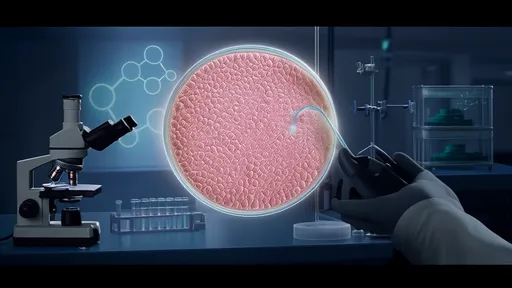
For decades, scientists overlooked hippopotamus sweat due to its bizarre appearance and strong odor. The viscous fluid transforms from colorless to blood-red within minutes of secretion, then gradually browns under sunlight. Local communities historically used it as a wound dressing, but Western medicine dismissed these practices as folklore. Recent spectroscopic analysis revealed why ancient remedies worked - the secretion contains at least two previously unknown antimicrobial pigments with unique chemical structures.
What makes hippo sweat extraordinary isn't just its antibiotic properties, but how these compounds operate. Unlike most clinical antibiotics that target bacterial cell walls or protein synthesis, the hippopotamus-derived molecules employ a dual mechanism. They disrupt microbial biofilms - the slimy protective layers that make infections persistent - while simultaneously triggering apoptosis in pathogenic cells. This combination approach prevents bacteria from developing resistance through conventional mutation pathways.
The discovery couldn't come at a more critical time. With antibiotic-resistant superbugs projected to cause 10 million annual deaths by 2050, pharmaceutical companies have struggled to develop novel drug classes. Traditional soil microbe screening - the source of most 20th-century antibiotics - yields diminishing returns. Hippopotamus sweat compounds represent an entirely new structural family, offering fresh templates for drug design.
Isolating these compounds presented extraordinary challenges. Field researchers developed non-invasive collection methods using absorbent pads, as approaching sweating hippos risks life-threatening encounters. The unstable pigments required immediate stabilization in nitrogen-cooled containers during transport. Laboratory recreation proved equally difficult - synthetic versions lacked the potency of natural secretions until scientists discovered that hippo skin microbes perform crucial molecular modifications.
Current research focuses on engineering these compounds for human therapeutics. Early tests show particular efficacy against methicillin-resistant Staphylococcus aureus (MRSA) and carbapenem-resistant Enterobacteriaceae - two WHO-priority pathogens. Unlike conventional antibiotics that devastate gut microbiota, the hippo-derived molecules demonstrate surprising selectivity, sparing beneficial bacteria through an as-yet-unknown recognition mechanism.
Conservation biologists caution against over-enthusiasm. Hippopotamus populations have declined 20% in the past decade due to habitat loss. Any medical application must prioritize ethical sourcing, possibly through captive breeding programs or synthetic biosynthesis. Researchers emphasize that protecting these semi-aquatic giants benefits both ecosystems and future medicine cabinets.
The pharmaceutical industry watches closely as clinical trials progress. If successful, hippopotamus-inspired drugs could reach markets within seven years, offering weapons against infections that currently claim a life every 45 seconds. This research underscores a vital lesson: sometimes the most advanced medical solutions don't come from high-tech labs, but from careful observation of nature's ancient wisdom.
Beyond antibiotics, hippo sweat analysis continues to surprise scientists. Preliminary data suggests additional compounds may regulate skin microbiome balance or accelerate wound healing. Some molecules show structural similarity to human neurotransmitters, hinting at potential psychiatric applications. Each finding reinforces how little we understand about nature's pharmaceutical repertoire.
As research expands to other species with unusual secretions - from elephants to wombats - the hippopotamus stands as a potent reminder. In our race against evolving pathogens, salvation may come from creatures that have perfected chemical defense over millions of years. The future of medicine might just depend on listening to nature's quietest whispers, even when they come coated in pungent, blood-red sweat.

By /Aug 12, 2025

By /Aug 12, 2025

By /Aug 12, 2025
By /Aug 12, 2025

By /Aug 12, 2025

By /Aug 12, 2025

By /Aug 12, 2025

By /Aug 12, 2025

By /Aug 12, 2025

By /Aug 12, 2025

By /Aug 12, 2025

By /Aug 12, 2025

By /Aug 12, 2025

By /Aug 12, 2025

By /Aug 12, 2025

By /Aug 12, 2025

By /Aug 12, 2025
By /Aug 12, 2025

By /Aug 12, 2025

By /Aug 12, 2025