Indonesia's Defense Ministry Confirms Plan to Procure 42 J-10C Fighter Jets

Oct 21, 2025 By

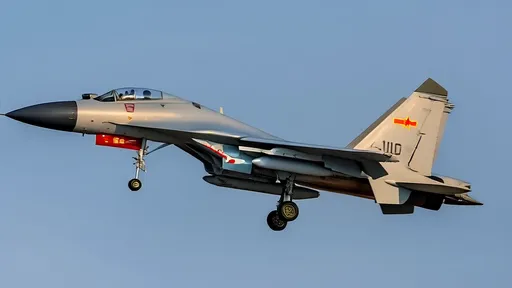
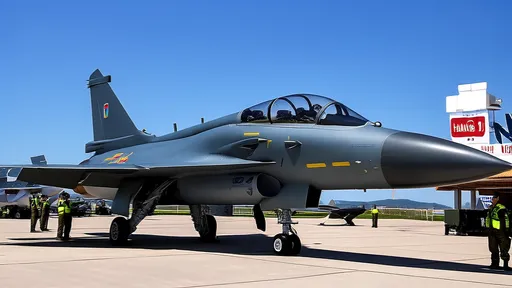
The Indonesian Ministry of Defense has officially confirmed its landmark decision to procure 42 J-10C fighter jets from China, marking one of the most significant defense acquisitions in Southeast Asia this decade. This confirmation comes after months of speculation and preliminary negotiations between Jakarta and Beijing, signaling a strategic shift in Indonesia's military modernization efforts. The multi-billion dollar deal represents not merely an equipment upgrade but a profound recalibration of regional defense partnerships.


Defense analysts have been closely monitoring Indonesia's fighter replacement program since the country began phasing out its aging F-5 Tiger II fleet. The J-10C selection over Western alternatives like the F-16V or French Rafale demonstrates China's growing credibility as a defense supplier to middle-power nations. What makes this procurement particularly noteworthy is the scale - 42 aircraft constitute nearly two full squadrons, substantially boosting Indonesia's air combat capabilities in a region where maritime sovereignty disputes continue to simmer.


The timing of this announcement carries considerable geopolitical weight. As Indonesia positions itself as an emerging maritime power in the Indo-Pacific, its choice of Chinese military hardware sends unmistakable signals to traditional defense partners. Western capitals have long viewed Indonesia as within their sphere of influence, but this procurement suggests Jakarta is pursuing a more diversified, non-aligned defense strategy. The deal coincides with Indonesia's growing economic ties with China, which has become one of the largest investors in Indonesian infrastructure projects.


Military experts highlight the J-10C's advanced avionics and weapon systems as key factors in Indonesia's decision. The aircraft features an active electronically scanned array (AESA) radar, sophisticated electronic warfare suites, and compatibility with China's latest air-to-air missiles. These capabilities place the J-10C in the same category as fourth-plus generation fighters operated by neighboring countries. For the Indonesian Air Force, this represents a quantum leap from its current mixed fleet of Russian, American, and older Chinese aircraft.


Regional defense observers note that the procurement addresses Indonesia's immediate security requirements. With neighboring countries like Australia acquiring F-35s and Singapore operating F-15SG fighters, Indonesia risked falling behind in regional air power rankings. The J-10C acquisition restores strategic balance and provides credible deterrence capability. The aircraft's combat radius perfectly suits Indonesia's archipelagic geography, allowing patrol coverage over critical sea lanes and disputed maritime territories.


The financial structure of the deal remains partially undisclosed, but sources indicate it includes favorable payment terms and technology transfer components. Such arrangements have become a hallmark of Chinese defense exports, making them particularly attractive to developing nations with budget constraints. Indonesia likely negotiated local assembly rights for some aircraft components, supporting President Joko Widodo's push for developing domestic defense manufacturing capabilities under his "Making Indonesia 4.0" industrial policy.


Training and maintenance infrastructure development will form crucial aspects of the implementation phase. Indonesian pilots and ground crews will undergo extensive training in China, with Chinese technical advisors establishing support facilities in Indonesia. This long-term cooperation ensures not just equipment transfer but deep operational integration. The logistical challenge of maintaining a new aircraft type shouldn't be underestimated, particularly given Indonesia's geographic dispersion across thousands of islands.


Reactions from traditional defense partners have been measured but concerned. The United States State Department issued a carefully worded statement acknowledging Indonesia's sovereign right to choose its defense suppliers while subtly reminding Jakarta of potential compatibility issues with existing US-origin equipment. Australian defense officials have been more openly apprehensive, noting the challenge of integrating Chinese fighter jets into joint exercises and intelligence sharing arrangements.


Regional analysts point to broader implications for ASEAN defense dynamics. As the organization's largest member and de facto leader, Indonesia's military choices often influence smaller neighbors. This procurement might encourage other Southeast Asian nations to consider Chinese equipment, potentially altering the regional balance of power. Malaysia and Vietnam, both engaged in their own force modernization programs, will closely monitor Indonesia's experience with the J-10C.


The strategic rationale extends beyond mere capability enhancement. Indonesia has walked a delicate diplomatic tightrope between China and the United States, refusing to explicitly align with either power. This aircraft purchase demonstrates Jakarta's confidence in dealing with Beijing as a strategic partner without becoming dependent. The subtle message to Washington is clear: Indonesia expects recognition as an independent power that will diversify defense relationships to serve its national interests.


Implementation timelines suggest the first squadron will achieve operational capability within three years, with full delivery completed by 2028. This phased approach allows for gradual personnel training and infrastructure development. The Indonesian Air Force will likely base the new aircraft at strategically located airfields facing the South China Sea and Indian Ocean, reflecting their primary mission profiles of maritime patrol and air defense.


Technical evaluation teams reportedly tested multiple aircraft types before settling on the J-10C. What ultimately tipped the scales was the complete package - aircraft performance, weapon systems, cost, and political considerations. The Russian Su-35 was initially considered a frontrunner, but concerns over potential US sanctions under CAATSA legislation made that option increasingly risky. Western alternatives, while technologically advanced, came with stricter end-user agreements and higher lifetime maintenance costs.


This procurement represents a milestone in China's defense export strategy. While China has previously exported military aircraft to developing nations, the J-10C sale to Indonesia marks its first major fighter jet deal with a significant regional power. Success here could open doors to other markets where China competes with established Russian, American, and European suppliers. The manufacturer, Chengdu Aerospace Corporation, has invested heavily in marketing the J-10 series internationally, with this deal representing their breakthrough moment.


For Indonesia, the aircraft acquisition forms part of a comprehensive military modernization program outlined in the Minimum Essential Force concept. This blueprint aims to create a credible, modern defense force capable of protecting Indonesia's vast territorial integrity. The Air Force specifically identified air superiority and maritime strike capabilities as priority gaps, which the J-10C directly addresses. Future acquisitions will likely focus on maritime patrol aircraft, transport planes, and air defense systems to create a balanced, integrated force.


The human resource development aspect cannot be overstated. Beyond pilot training, the deal includes education programs for engineers, technicians, and logistics specialists. This knowledge transfer supports Indonesia's broader ambition to develop an indigenous defense industry. Chinese assistance in establishing maintenance, repair, and overhaul facilities will create high-skilled jobs and transfer valuable technical expertise to the local workforce.


Regional security implications extend beyond mere numbers of aircraft. The J-10C's advanced sensors and networking capabilities will enhance Indonesia's situational awareness across its area of responsibility. Integration with existing radar systems and naval assets creates a more comprehensive surveillance picture, crucial for detecting and responding to illegal fishing, piracy, and unauthorized incursions into Indonesian waters. This represents a force multiplier effect beyond the aircraft's direct combat capabilities.


As delivery timelines progress, attention will shift to operational integration and potential challenges. Maintaining a diverse fleet of American, Russian, European, and Chinese aircraft strains logistics and training resources. The Indonesian Air Force's ability to manage this complexity will test its institutional capacity. Success would demonstrate sophisticated defense management capabilities, while failure could lead to operational gaps and reduced fleet availability.


The geopolitical ramifications will unfold over the coming years. How traditional partners adjust their defense cooperation with Indonesia, how China leverages this relationship, and how neighboring countries respond will shape Southeast Asia's strategic landscape. What's certain is that Indonesia has made a definitive statement about its strategic autonomy and its vision for regional security architecture. The J-10C procurement represents not just new hardware, but a declaration of Indonesia's emerging role as an independent power center in the Indo-Pacific.


Looking forward, this deal may inspire closer Indonesia-China defense cooperation in other domains. Joint exercises, intelligence sharing, and collaborative development projects could follow as trust and interoperability increase. However, Jakarta will likely maintain careful balance, continuing cooperation with other partners to avoid over-dependence on any single supplier. This nuanced approach reflects Indonesia's traditional foreign policy philosophy of "free and active" engagement in international affairs.


The confirmation of this procurement settles months of speculation but opens new chapters in Indonesia's defense modernization and regional strategic positioning. As the first J-10Cs touch down on Indonesian runways, they'll carry not just pilots and weapons, but the weight of strategic choices that will influence Southeast Asian security dynamics for decades to come. The ultimate success of this program will be measured not just in operational capability, but in how it serves Indonesia's broader national interests in a rapidly evolving geopolitical environment.



Recommend Posts
Tech

Reaffirming the Need for Enhanced Cooperation to Overcome Global Challenges

By /Oct 21, 2025

In an era defined by unprecedented global challenges, the clarion call for international cooperation echoes with renewed urgency. The complex tapestry of modern civilization, woven with threads of technological advancement and interconnected economies, now faces threats that transcend national borders and defy unilateral solutions. From the creeping specter of climate change to the sudden shock of pandemics, humanity finds itself at a crossroads where collaboration is no longer merely advantageous but essential for survival.
Tech

J-10C Fighter Jet's Cost-Effectiveness Appeals to Countries with Limited Military Budgets

By /Oct 21, 2025

In an era where global defense budgets face increasing scrutiny, nations with limited military expenditure constantly seek platforms delivering maximum operational value. The Chengdu J-10C fighter jet emerges as a compelling solution, blending advanced capabilities with remarkable cost-effectiveness that challenges Western counterparts in both performance and affordability.
Tech

Only 13.5% of EU Companies Use AI Technology, Says Eurostat

By /Oct 21, 2025

In the heart of Europe's digital transformation, a startling revelation has emerged from the European Union's statistical office. Despite the global frenzy surrounding artificial intelligence, only 13.5% of EU enterprises have embraced this transformative technology. This figure, released by Eurostat, paints a sobering picture of Europe's technological adoption landscape, raising crucial questions about the continent's competitive future in an increasingly AI-driven global economy.
Tech

Manned Deep-Sea Submersibles Support Human Exploration of深海 Mysteries

By /Oct 21, 2025

In the perpetual darkness of the ocean's deepest trenches, where pressures reach a thousand times that of the surface, a new era of exploration is unfolding. The development of full-ocean-depth manned submersibles represents one of humanity's most ambitious technological achievements, enabling direct human presence in the most inaccessible realms of our planet. These sophisticated vessels serve as mobile laboratories and observation platforms, bringing scientists face-to-face with environments that have remained mysterious since the dawn of time.
Tech

Top 10 Global Engineering Achievements of 2025 Emerge from Worldwide Nominations"

By /Oct 21, 2025

The selection process for the 2025 Global Top Ten Engineering Achievements has officially commenced, marking a pivotal moment in recognizing humanity's most transformative technological advancements. Through a worldwide nomination campaign, engineers, researchers, and institutions across continents are invited to propose projects that have demonstrated exceptional innovation, scalability, and positive impact on society. This initiative aims not only to celebrate engineering excellence but also to inspire future generations to tackle global challenges through technological ingenuity.
Tech

The South-to-North Water Diversion Middle Route Project Achieves Self-Flow Water Transfer through Various Conveyance Methods

By /Oct 21, 2025

The gentle flow of water along the Central Route of China's South-to-North Water Diversion Project tells a story of engineering ingenuity that defies the conventional reliance on mechanical pumps. Stretching over 1,400 kilometers from the Danjiangkou Reservoir in Hubei to Beijing and Tianjin, this aquatic lifeline accomplishes its monumental task primarily through gravity-fed mechanisms, a testament to human cleverness in harmonizing with natural topography.
Tech

ASEAN Digital Ministers Meeting to be held in Vietnam in January 2026

By /Oct 21, 2025

The upcoming ASEAN Digital Ministers Meeting, scheduled for January 2026 in Vietnam, represents a pivotal moment in Southeast Asia's technological evolution. As nations across the region grapple with the dual challenges of digital transformation and cybersecurity, this high-level gathering is poised to shape the future of digital governance across member states. The choice of Vietnam as host nation underscores its growing influence in the regional digital landscape and its commitment to fostering collaborative solutions to shared technological challenges.
Tech

ASEAN-US AI Cooperation Focuses on Policy Development and Talent Cultivation

By /Oct 21, 2025

The Association of Southeast Asian Nations (ASEAN) and the United States have embarked on a landmark collaboration in artificial intelligence (AI), signaling a strategic pivot toward policy harmonization and human capital development. This partnership emerges against a backdrop of rapid technological transformation and intensifying global competition, with both regions recognizing AI's potential to reshape economies, security architectures, and societal frameworks. The cooperation is not merely a technical exchange but a concerted effort to build a shared understanding of AI's opportunities and risks, ensuring that its evolution is guided by principles of inclusivity, security, and sustainable growth.
Tech

Leading Companies like Toray in Japan Accelerate Carbon Fiber Technology Innovation

By /Oct 21, 2025

In the high-stakes arena of advanced materials, Japanese conglomerate Toray Industries is accelerating its carbon fiber innovation at a pace that signals a strategic shift in global manufacturing dynamics. Long recognized as the world's largest producer of carbon fiber composite materials, Toray is not merely iterating on existing technology but is spearheading a fundamental transformation in how these materials are conceived, manufactured, and deployed across industries from aerospace to automotive and beyond.
Tech

Tech Innovation Emerges as Key Driver in ASEAN-US Relations

By /Oct 21, 2025

In a recent address at the Center for Strategic and International Studies in Washington D.C., Vietnamese Ambassador to the United States highlighted the growing significance of technological innovation as a central pillar in the relationship between ASEAN member states and the United States. The ambassador's remarks came during a high-level dialogue focusing on the future of economic and strategic cooperation between the two regions, emphasizing how digital transformation and technological advancement are reshaping traditional diplomatic and economic frameworks.
Tech

ASEAN and the US Committed to Advancing Sustainable and Responsible AI Development

By /Oct 21, 2025

In the bustling conference halls of Jakarta, a quiet revolution is taking shape as ASEAN and the United States forge an unprecedented partnership to navigate the uncharted waters of artificial intelligence. The collaboration represents more than just diplomatic pleasantries—it signals a fundamental shift in how nations are approaching the technological frontier that promises to redefine human civilization.
Tech

ASEAN-US AI Cooperation Focuses on Building an Open and Secure Ecosystem

By /Oct 21, 2025

The bustling conference hall in Singapore fell silent as Dr. Amina Sharma adjusted her microphone, her voice carrying the weight of decades in technology diplomacy. "We stand at a crossroads not just of technological advancement, but of geopolitical alignment," she began, addressing the assembled delegates from ASEAN nations and the United States. "The frameworks we build today for artificial intelligence will determine the digital sovereignty of generations to come." Her words echoed a sentiment that has been quietly gaining momentum in diplomatic circles from Jakarta to Washington D.C.—that the future of AI governance is being written now, and the ASEAN-U.S. partnership represents a crucial chapter.
Tech

The Global Engineering Community Committed to Combating Climate Change with Engineering Technologies

By /Oct 21, 2025

In the face of escalating climate challenges, the global engineering community has mobilized with unprecedented urgency, transforming abstract climate goals into tangible technological solutions. From reimagining urban infrastructure to harnessing renewable energy, engineers worldwide are pioneering innovations that not only mitigate environmental damage but also build resilience against future climatic disruptions. This concerted effort represents a paradigm shift in how we conceptualize development, placing sustainability at the core of engineering practice.
Tech

Indonesia's Defense Ministry Confirms Plan to Procure 42 J-10C Fighter Jets

By /Oct 21, 2025

The Indonesian Ministry of Defense has officially confirmed its landmark decision to procure 42 J-10C fighter jets from China, marking one of the most significant defense acquisitions in Southeast Asia this decade. This confirmation comes after months of speculation and preliminary negotiations between Jakarta and Beijing, signaling a strategic shift in Indonesia's military modernization efforts. The multi-billion dollar deal represents not merely an equipment upgrade but a profound recalibration of regional defense partnerships.
Tech

Top Ten Global Engineering Achievements Highlight the Role of Engineering in Addressing Global Challenges

By /Oct 21, 2025

In an era defined by unprecedented global challenges, the monumental achievements of engineering stand as beacons of human ingenuity and resilience. These remarkable feats not only transform our physical world but fundamentally reshape how societies confront existential threats ranging from climate change to resource scarcity. The selection of the world's top ten engineering accomplishments represents more than mere technological marvels; they embody our collective capacity to engineer solutions that transcend borders and benefit humanity as a whole.
Tech

Jointly Promoting the Reliable Application of AI and Other Emerging Fields in the Engineering Community

By /Oct 21, 2025

In the sprawling landscape of modern engineering, a quiet revolution is taking place. It is not marked by the loud clamor of machinery or the dramatic unveiling of a single, monolithic invention. Instead, it is a strategic, deliberate movement happening in boardrooms, research labs, and on the drafting tables of projects worldwide. The engineering community, long the bastion of precision and reliability, is now grappling with its most complex and promising partner yet: Artificial Intelligence. The central theme echoing through every conference and technical journal is the establishment of a robust framework for the collaborative advancement of AI's reliable application.
Tech

Global Engineering Community Pledges to Mobilize Engineering Efforts to Accelerate Progress on the Paris Agreement

By /Oct 21, 2025

The global engineering community has stepped forward with an unprecedented commitment to accelerate implementation of the Paris Agreement, marking a pivotal moment in the fight against climate change. Engineering institutions representing over 70 countries have united behind a declaration that positions engineers as essential partners in achieving the ambitious climate goals set forth in the international accord. This collective pledge represents the largest coordinated effort by the engineering profession to address climate challenges in history.
Tech

Demonstrating the Potential of Flying Cars in Remote Areas for Emergency Response

By /Oct 21, 2025

In the rugged highlands of Scotland, a medical emergency unfolded that would demonstrate the transformative potential of emerging technology. A hiker had suffered a severe fall in an area inaccessible by conventional vehicles, with weather conditions preventing helicopter evacuation. Within minutes, a sleek aircraft lifted vertically from a nearby town, transitioning seamlessly to forward flight as it headed toward the remote location. This wasn't a scene from a science fiction film but a real-world demonstration of how flying cars could revolutionize emergency response in isolated communities.
Tech

EU's Strategic Investment in AI for Manufacturing and Environmental Sectors

By /Oct 21, 2025

The European Union has announced a groundbreaking initiative to accelerate the development of cutting-edge artificial intelligence models specifically tailored for the manufacturing and environmental industries. This ambitious program represents a significant step in the bloc's broader strategy to establish technological sovereignty while addressing pressing global challenges. With a commitment of over €2 billion in combined public and private funding, the initiative aims to position Europe at the forefront of industrial AI innovation.
Tech

Thailand Media Introduces J-10C Fighter Jet at 4.5 Generation Level

By /Oct 21, 2025

Thailand's defense media has been closely following the development and capabilities of China's Chengdu J-10C multirole fighter aircraft, frequently describing it as a formidable 4.5-generation combat platform. This classification places the J-10C in an intriguing position within the global fighter hierarchy, bridging the gap between legacy fourth-generation fighters and the nascent fifth-generation stealth aircraft. The Thai defense community's interest in the J-10C is not merely academic; it reflects a broader regional trend of modernizing air forces with advanced, cost-effective solutions that offer significant technological leaps without the prohibitive costs associated with full fifth-generation platforms like the F-35.