The Global Engineering Community Committed to Combating Climate Change with Engineering Technologies

Oct 21, 2025 By

In the face of escalating climate challenges, the global engineering community has mobilized with unprecedented urgency, transforming abstract climate goals into tangible technological solutions. From reimagining urban infrastructure to harnessing renewable energy, engineers worldwide are pioneering innovations that not only mitigate environmental damage but also build resilience against future climatic disruptions. This concerted effort represents a paradigm shift in how we conceptualize development, placing sustainability at the core of engineering practice.


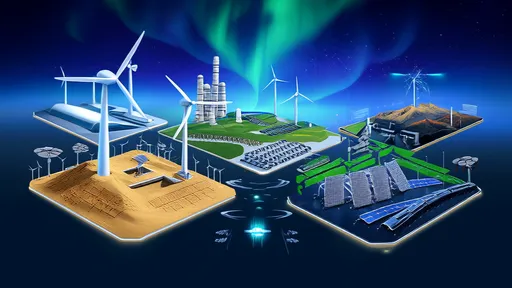
The transition to clean energy stands as perhaps the most visible frontier in engineering's climate response. Wind turbines now soar to heights previously unimaginable, capturing stronger and more consistent winds, while solar panel efficiency continues its steady climb, making photovoltaic systems increasingly viable even in less sunny regions. But the true engineering marvel lies in the integration of these intermittent sources into stable power grids. Advanced battery technologies, from lithium-ion to emerging flow batteries, are solving the storage puzzle, while smart grid systems use sophisticated algorithms to balance supply and demand in real-time, preventing blackouts and maximizing renewable utilization.


Beyond energy generation, engineers are revolutionizing how we construct our living spaces. The concept of green buildings has evolved from a niche interest to a mainstream standard, with structures designed to produce as much energy as they consume. Innovations in passive heating and cooling, advanced insulation materials, and intelligent building management systems have dramatically reduced the carbon footprint of our homes and workplaces. Meanwhile, urban planners are reengineering entire cityscapes, creating pedestrian-friendly zones, expanding green corridors, and implementing district-level energy systems that share thermal resources between buildings.


Transportation represents another critical battleground where engineering ingenuity is driving decarbonization. Electric vehicles are becoming increasingly sophisticated, with extended ranges and faster charging capabilities addressing early adoption barriers. However, the transformation extends beyond personal vehicles to encompass entire mobility ecosystems. Engineers are developing smart traffic management systems that optimize flow and reduce idling, designing integrated public transit networks that make car-free living practical, and pioneering new freight transportation methods that minimize emissions while maintaining economic efficiency.


Perhaps the most ambitious engineering endeavors involve direct atmospheric intervention. Carbon capture technologies are advancing rapidly, with new materials showing promise for more efficient CO2 absorption from both industrial emissions and ambient air. These captured carbon molecules are increasingly viewed not as waste but as potential resources, with engineers developing methods to transform them into construction materials, synthetic fuels, and even consumer products. While these technologies remain in various stages of development, they represent the cutting edge of climate engineering innovation.


The engineering response to climate change extends beneath our feet and across our water systems. Civil engineers are redesigning flood management infrastructure to work with natural hydrological cycles rather than against them, creating parks that double as water retention basins during storms and restoring wetlands that provide natural buffering against sea-level rise. Water treatment facilities are being reengineered for energy efficiency and resource recovery, extracting nutrients from wastewater for agricultural use and generating biogas from organic waste streams.


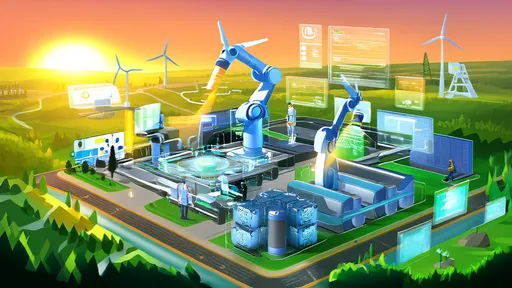
Industrial processes, long significant contributors to greenhouse gas emissions, are undergoing their own engineering revolution. From cement production to chemical manufacturing, engineers are developing alternative processes that require less energy and emit fewer pollutants. Circular economy principles are being embedded into factory design, with waste streams from one process becoming raw materials for another. Digital technologies like artificial intelligence and the Internet of Things are optimizing operations in real-time, identifying inefficiencies and reducing resource consumption across industrial sectors.


Agricultural engineering has emerged as a crucial front in the climate battle, developing precision farming techniques that maximize yield while minimizing environmental impact. Drones and sensors monitor crop health, allowing targeted application of water and nutrients, while new irrigation technologies reduce water consumption without compromising productivity. Engineers are also creating alternative food production systems, from vertical farms that bring agriculture into urban centers to novel methods of cultivating protein sources that require far less land and water than traditional livestock.


The materials revolution forms the foundation of many climate solutions. Engineers are developing new composites and alloys that are stronger, lighter, and more durable, reducing material requirements across applications from vehicles to buildings. Bio-based materials are replacing petroleum-derived plastics, while advances in recycling technology are creating true circular systems for everything from electronics to construction debris. These material innovations not only reduce emissions during production but often enable more energy-efficient operation throughout their lifecycle.


Monitoring and data systems provide the nervous system for the global climate response. Networks of satellites, drones, and ground-based sensors are creating an unprecedented picture of our changing planet, tracking everything from deforestation rates to permafrost melt. This data fuels predictive models that help communities prepare for climate impacts and allows for precise measurement of intervention effectiveness. Engineering these observation systems requires solving complex challenges in remote power, data transmission, and sensor durability in extreme environments.


International collaboration has become a hallmark of engineering's climate response, with professional organizations facilitating knowledge sharing across borders. Standard-setting bodies are harmonizing approaches to carbon accounting and sustainability metrics, while joint research initiatives tackle challenges too large for any single nation or corporation. This global engineering network ensures that innovations developed in one region can be adapted and implemented worldwide, accelerating the diffusion of climate solutions.


As these efforts intensify, engineers are also confronting the ethical dimensions of climate intervention. Questions about responsibility for solar radiation management, equity in the distribution of climate technologies, and the potential unintended consequences of large-scale geoengineering projects are sparking important dialogues within the profession. This reflective practice demonstrates the evolution of engineering from a purely technical discipline to one that increasingly considers social and ethical implications.


The educational landscape for engineers is transforming to meet these new challenges. Engineering curricula now integrate climate science, sustainability principles, and systems thinking alongside traditional technical subjects. Universities are establishing specialized programs in climate engineering, while professional development courses help practicing engineers update their skills for the low-carbon economy. This educational evolution ensures that the next generation of engineers will be equipped not just to build things, but to build a sustainable future.


Looking forward, the engineering community recognizes that technology alone cannot solve the climate crisis. Successful implementation requires deep engagement with policymakers, communities, and other stakeholders. Engineers are increasingly stepping beyond their traditional technical roles to participate in public discourse, advise governments, and collaborate with social scientists to ensure that technological solutions are appropriate, accessible, and equitable. This holistic approach represents the maturation of engineering's response to humanity's greatest collective challenge.


While the scale of the climate challenge remains daunting, the global engineering community has demonstrated remarkable capacity for innovation and adaptation. From renewable energy systems to climate-resilient infrastructure, engineers are providing the tools humanity needs to navigate the transition to a sustainable future. As these efforts continue to scale and integrate, they offer hope that human ingenuity, channeled through the discipline of engineering, can indeed rise to meet the existential threat of climate change.



Recommend Posts
Tech

Reaffirming the Need for Enhanced Cooperation to Overcome Global Challenges

By /Oct 21, 2025

In an era defined by unprecedented global challenges, the clarion call for international cooperation echoes with renewed urgency. The complex tapestry of modern civilization, woven with threads of technological advancement and interconnected economies, now faces threats that transcend national borders and defy unilateral solutions. From the creeping specter of climate change to the sudden shock of pandemics, humanity finds itself at a crossroads where collaboration is no longer merely advantageous but essential for survival.
Tech

J-10C Fighter Jet's Cost-Effectiveness Appeals to Countries with Limited Military Budgets

By /Oct 21, 2025

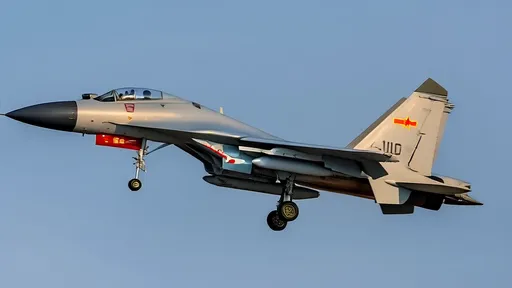
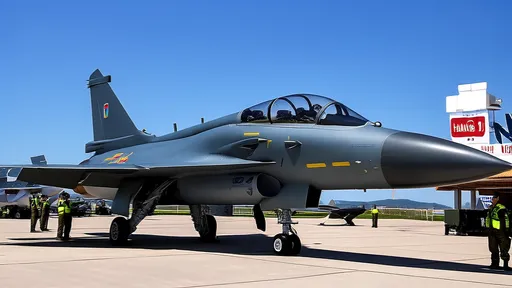
In an era where global defense budgets face increasing scrutiny, nations with limited military expenditure constantly seek platforms delivering maximum operational value. The Chengdu J-10C fighter jet emerges as a compelling solution, blending advanced capabilities with remarkable cost-effectiveness that challenges Western counterparts in both performance and affordability.
Tech

Only 13.5% of EU Companies Use AI Technology, Says Eurostat

By /Oct 21, 2025

In the heart of Europe's digital transformation, a startling revelation has emerged from the European Union's statistical office. Despite the global frenzy surrounding artificial intelligence, only 13.5% of EU enterprises have embraced this transformative technology. This figure, released by Eurostat, paints a sobering picture of Europe's technological adoption landscape, raising crucial questions about the continent's competitive future in an increasingly AI-driven global economy.
Tech

Manned Deep-Sea Submersibles Support Human Exploration of深海 Mysteries

By /Oct 21, 2025

In the perpetual darkness of the ocean's deepest trenches, where pressures reach a thousand times that of the surface, a new era of exploration is unfolding. The development of full-ocean-depth manned submersibles represents one of humanity's most ambitious technological achievements, enabling direct human presence in the most inaccessible realms of our planet. These sophisticated vessels serve as mobile laboratories and observation platforms, bringing scientists face-to-face with environments that have remained mysterious since the dawn of time.
Tech

Top 10 Global Engineering Achievements of 2025 Emerge from Worldwide Nominations"

By /Oct 21, 2025

The selection process for the 2025 Global Top Ten Engineering Achievements has officially commenced, marking a pivotal moment in recognizing humanity's most transformative technological advancements. Through a worldwide nomination campaign, engineers, researchers, and institutions across continents are invited to propose projects that have demonstrated exceptional innovation, scalability, and positive impact on society. This initiative aims not only to celebrate engineering excellence but also to inspire future generations to tackle global challenges through technological ingenuity.
Tech

The South-to-North Water Diversion Middle Route Project Achieves Self-Flow Water Transfer through Various Conveyance Methods

By /Oct 21, 2025

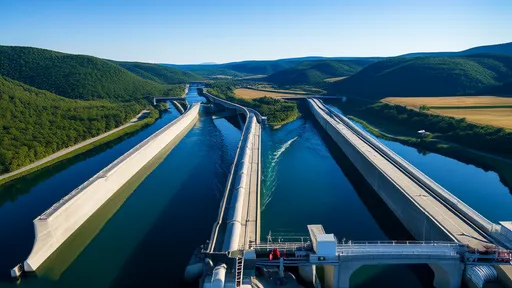
The gentle flow of water along the Central Route of China's South-to-North Water Diversion Project tells a story of engineering ingenuity that defies the conventional reliance on mechanical pumps. Stretching over 1,400 kilometers from the Danjiangkou Reservoir in Hubei to Beijing and Tianjin, this aquatic lifeline accomplishes its monumental task primarily through gravity-fed mechanisms, a testament to human cleverness in harmonizing with natural topography.
Tech

ASEAN Digital Ministers Meeting to be held in Vietnam in January 2026

By /Oct 21, 2025

The upcoming ASEAN Digital Ministers Meeting, scheduled for January 2026 in Vietnam, represents a pivotal moment in Southeast Asia's technological evolution. As nations across the region grapple with the dual challenges of digital transformation and cybersecurity, this high-level gathering is poised to shape the future of digital governance across member states. The choice of Vietnam as host nation underscores its growing influence in the regional digital landscape and its commitment to fostering collaborative solutions to shared technological challenges.
Tech

ASEAN-US AI Cooperation Focuses on Policy Development and Talent Cultivation

By /Oct 21, 2025

The Association of Southeast Asian Nations (ASEAN) and the United States have embarked on a landmark collaboration in artificial intelligence (AI), signaling a strategic pivot toward policy harmonization and human capital development. This partnership emerges against a backdrop of rapid technological transformation and intensifying global competition, with both regions recognizing AI's potential to reshape economies, security architectures, and societal frameworks. The cooperation is not merely a technical exchange but a concerted effort to build a shared understanding of AI's opportunities and risks, ensuring that its evolution is guided by principles of inclusivity, security, and sustainable growth.
Tech

Leading Companies like Toray in Japan Accelerate Carbon Fiber Technology Innovation

By /Oct 21, 2025

In the high-stakes arena of advanced materials, Japanese conglomerate Toray Industries is accelerating its carbon fiber innovation at a pace that signals a strategic shift in global manufacturing dynamics. Long recognized as the world's largest producer of carbon fiber composite materials, Toray is not merely iterating on existing technology but is spearheading a fundamental transformation in how these materials are conceived, manufactured, and deployed across industries from aerospace to automotive and beyond.
Tech

Tech Innovation Emerges as Key Driver in ASEAN-US Relations

By /Oct 21, 2025

In a recent address at the Center for Strategic and International Studies in Washington D.C., Vietnamese Ambassador to the United States highlighted the growing significance of technological innovation as a central pillar in the relationship between ASEAN member states and the United States. The ambassador's remarks came during a high-level dialogue focusing on the future of economic and strategic cooperation between the two regions, emphasizing how digital transformation and technological advancement are reshaping traditional diplomatic and economic frameworks.
Tech

ASEAN and the US Committed to Advancing Sustainable and Responsible AI Development

By /Oct 21, 2025

In the bustling conference halls of Jakarta, a quiet revolution is taking shape as ASEAN and the United States forge an unprecedented partnership to navigate the uncharted waters of artificial intelligence. The collaboration represents more than just diplomatic pleasantries—it signals a fundamental shift in how nations are approaching the technological frontier that promises to redefine human civilization.
Tech

ASEAN-US AI Cooperation Focuses on Building an Open and Secure Ecosystem

By /Oct 21, 2025

The bustling conference hall in Singapore fell silent as Dr. Amina Sharma adjusted her microphone, her voice carrying the weight of decades in technology diplomacy. "We stand at a crossroads not just of technological advancement, but of geopolitical alignment," she began, addressing the assembled delegates from ASEAN nations and the United States. "The frameworks we build today for artificial intelligence will determine the digital sovereignty of generations to come." Her words echoed a sentiment that has been quietly gaining momentum in diplomatic circles from Jakarta to Washington D.C.—that the future of AI governance is being written now, and the ASEAN-U.S. partnership represents a crucial chapter.
Tech

The Global Engineering Community Committed to Combating Climate Change with Engineering Technologies

By /Oct 21, 2025

In the face of escalating climate challenges, the global engineering community has mobilized with unprecedented urgency, transforming abstract climate goals into tangible technological solutions. From reimagining urban infrastructure to harnessing renewable energy, engineers worldwide are pioneering innovations that not only mitigate environmental damage but also build resilience against future climatic disruptions. This concerted effort represents a paradigm shift in how we conceptualize development, placing sustainability at the core of engineering practice.
Tech

Indonesia's Defense Ministry Confirms Plan to Procure 42 J-10C Fighter Jets

By /Oct 21, 2025

The Indonesian Ministry of Defense has officially confirmed its landmark decision to procure 42 J-10C fighter jets from China, marking one of the most significant defense acquisitions in Southeast Asia this decade. This confirmation comes after months of speculation and preliminary negotiations between Jakarta and Beijing, signaling a strategic shift in Indonesia's military modernization efforts. The multi-billion dollar deal represents not merely an equipment upgrade but a profound recalibration of regional defense partnerships.
Tech

Top Ten Global Engineering Achievements Highlight the Role of Engineering in Addressing Global Challenges

By /Oct 21, 2025

In an era defined by unprecedented global challenges, the monumental achievements of engineering stand as beacons of human ingenuity and resilience. These remarkable feats not only transform our physical world but fundamentally reshape how societies confront existential threats ranging from climate change to resource scarcity. The selection of the world's top ten engineering accomplishments represents more than mere technological marvels; they embody our collective capacity to engineer solutions that transcend borders and benefit humanity as a whole.
Tech

Jointly Promoting the Reliable Application of AI and Other Emerging Fields in the Engineering Community

By /Oct 21, 2025

In the sprawling landscape of modern engineering, a quiet revolution is taking place. It is not marked by the loud clamor of machinery or the dramatic unveiling of a single, monolithic invention. Instead, it is a strategic, deliberate movement happening in boardrooms, research labs, and on the drafting tables of projects worldwide. The engineering community, long the bastion of precision and reliability, is now grappling with its most complex and promising partner yet: Artificial Intelligence. The central theme echoing through every conference and technical journal is the establishment of a robust framework for the collaborative advancement of AI's reliable application.
Tech

Global Engineering Community Pledges to Mobilize Engineering Efforts to Accelerate Progress on the Paris Agreement

By /Oct 21, 2025

The global engineering community has stepped forward with an unprecedented commitment to accelerate implementation of the Paris Agreement, marking a pivotal moment in the fight against climate change. Engineering institutions representing over 70 countries have united behind a declaration that positions engineers as essential partners in achieving the ambitious climate goals set forth in the international accord. This collective pledge represents the largest coordinated effort by the engineering profession to address climate challenges in history.
Tech

Demonstrating the Potential of Flying Cars in Remote Areas for Emergency Response

By /Oct 21, 2025

In the rugged highlands of Scotland, a medical emergency unfolded that would demonstrate the transformative potential of emerging technology. A hiker had suffered a severe fall in an area inaccessible by conventional vehicles, with weather conditions preventing helicopter evacuation. Within minutes, a sleek aircraft lifted vertically from a nearby town, transitioning seamlessly to forward flight as it headed toward the remote location. This wasn't a scene from a science fiction film but a real-world demonstration of how flying cars could revolutionize emergency response in isolated communities.
Tech

EU's Strategic Investment in AI for Manufacturing and Environmental Sectors

By /Oct 21, 2025

The European Union has announced a groundbreaking initiative to accelerate the development of cutting-edge artificial intelligence models specifically tailored for the manufacturing and environmental industries. This ambitious program represents a significant step in the bloc's broader strategy to establish technological sovereignty while addressing pressing global challenges. With a commitment of over €2 billion in combined public and private funding, the initiative aims to position Europe at the forefront of industrial AI innovation.
Tech

Thailand Media Introduces J-10C Fighter Jet at 4.5 Generation Level

By /Oct 21, 2025

Thailand's defense media has been closely following the development and capabilities of China's Chengdu J-10C multirole fighter aircraft, frequently describing it as a formidable 4.5-generation combat platform. This classification places the J-10C in an intriguing position within the global fighter hierarchy, bridging the gap between legacy fourth-generation fighters and the nascent fifth-generation stealth aircraft. The Thai defense community's interest in the J-10C is not merely academic; it reflects a broader regional trend of modernizing air forces with advanced, cost-effective solutions that offer significant technological leaps without the prohibitive costs associated with full fifth-generation platforms like the F-35.