The selection process for the 2025 Global Top Ten Engineering Achievements has officially commenced, marking a pivotal moment in recognizing humanity's most transformative technological advancements. Through a worldwide nomination campaign, engineers, researchers, and institutions across continents are invited to propose projects that have demonstrated exceptional innovation, scalability, and positive impact on society. This initiative aims not only to celebrate engineering excellence but also to inspire future generations to tackle global challenges through technological ingenuity.
Nominations are being accepted across diverse engineering disciplines, ranging from civil and mechanical to biomedical and environmental engineering. Each submission undergoes a rigorous preliminary review by regional committees to ensure it meets the stringent criteria of originality, technical complexity, and real-world application. The global outreach effort has already garnered significant attention, with early submissions highlighting breakthroughs in sustainable energy infrastructure, artificial intelligence integration in public systems, and revolutionary medical devices.
What sets this year's nomination process apart is its emphasis on collaborative achievements that transcend national boundaries. The organizing committee has specifically encouraged nominations of international partnerships that have successfully addressed cross-border challenges such as climate change, pandemic response, and digital inequality. This focus reflects a growing recognition within the engineering community that the most pressing global issues require coordinated, multinational solutions backed by cutting-edge technology.
The timeline for nominations spans several months, allowing sufficient opportunity for comprehensive documentation and verification of each proposed achievement. Following the nomination period, an international panel of distinguished engineers, scientists, and industry leaders will convene to evaluate the submissions through multiple rounds of assessment. The evaluation criteria prioritize not only technical merit but also the achievement's contribution to sustainable development goals and its potential for widespread adoption across different cultural and economic contexts.
One particularly noteworthy aspect of this year's process is the increased representation from developing nations, with numerous nominations originating from regions traditionally underrepresented in global engineering discourse. This shift signals a positive trend toward more inclusive recognition of engineering excellence worldwide. Many of these nominations showcase innovative approaches to local challenges that have broader global applicability, such as low-cost water purification systems and disaster-resilient infrastructure designs adapted for specific geographical challenges.
The nomination guidelines emphasize the importance of demonstrated impact, requiring substantial evidence of how each engineering achievement has already benefited communities, industries, or ecosystems. Unlike theoretical breakthroughs, the selection committee prioritizes implementations that have proven their value through measurable outcomes and sustainable operation. This practical orientation ensures that the final list of top achievements represents not just engineering potential but tangible improvements to human welfare and environmental stewardship.
Technology transfer and knowledge dissemination form another critical dimension of the evaluation process. Achievements that include comprehensive documentation, open-source components, or educational outreach programs receive special consideration, as the organizing committee seeks to maximize the inspirational and educational value of the selected projects. This approach aligns with the broader mission of fostering global engineering capacity and encouraging the replication of successful solutions in new contexts.
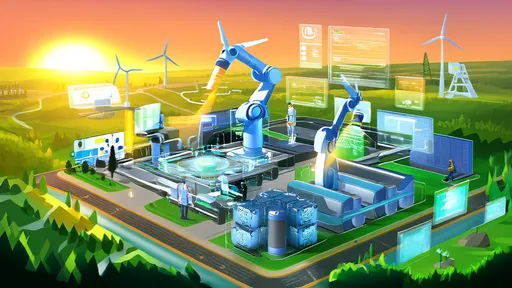
Industry observers have noted several emerging trends among the early nominations, particularly the convergence of digital and physical engineering domains. Many proposed achievements integrate advanced computing, data analytics, or Internet of Things technologies with traditional engineering disciplines, creating hybrid solutions that offer unprecedented efficiency, adaptability, and intelligence. These cross-disciplinary innovations represent the evolving nature of engineering practice in the digital age.
The medical engineering field appears particularly strong in this nomination cycle, with numerous submissions focusing on diagnostic technologies, therapeutic devices, and healthcare delivery systems that have dramatically improved patient outcomes while reducing costs. Several nominations highlight engineering solutions developed during recent global health crises, demonstrating how emergency conditions can accelerate innovation and implementation of life-saving technologies.
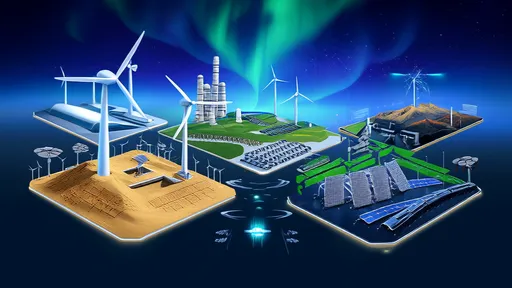
Environmental sustainability features prominently across multiple nomination categories, reflecting the engineering profession's growing commitment to addressing climate change and resource conservation. From carbon capture installations to circular economy manufacturing processes, the nominated achievements showcase how engineering innovation can decouple economic development from environmental degradation. Many of these projects incorporate indigenous knowledge and locally sourced materials, creating sustainable solutions that respect cultural traditions while leveraging modern engineering principles.
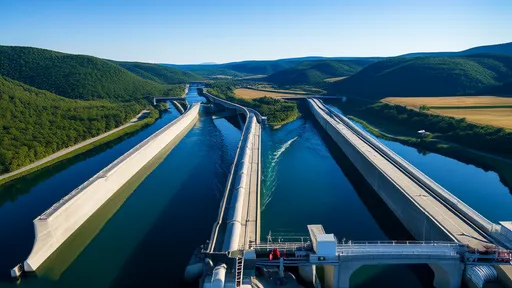
Infrastructure innovations constitute another significant category among the nominations, with particular emphasis on smart transportation systems, resilient urban development, and renewable energy integration. These projects often combine multiple engineering disciplines to create comprehensive solutions for rapidly urbanizing populations. The evaluation committee pays special attention to scalability and adaptability, recognizing that the most valuable infrastructure solutions must serve diverse communities and withstand changing environmental conditions.
The global nomination process itself represents an engineering achievement of sorts, utilizing sophisticated digital platforms to manage submissions, facilitate international collaboration, and ensure transparent evaluation. The technical infrastructure supporting this initiative includes multilingual interfaces, secure document handling systems, and collaborative tools that enable committee members from different time zones to work effectively together. This behind-the-scenes engineering excellence mirrors the innovative spirit that the awards seek to celebrate.
As the nomination period progresses, engineering organizations worldwide are hosting workshops and information sessions to help potential nominators prepare compelling submissions. These events serve not only to improve nomination quality but also to foster international dialogue about engineering priorities and ethical considerations. The conversations emerging from these gatherings often influence future engineering research directions and collaboration patterns, extending the impact of the awards beyond mere recognition.
The final selection of the 2025 Global Top Ten Engineering Achievements will be announced at an international ceremony scheduled for early next year, followed by a year-long global exhibition tour and educational campaign. Past recipients have seen their innovations gain accelerated adoption and additional funding following recognition, demonstrating how this initiative serves as a catalyst for further engineering advancement. The lasting legacy of these awards lies not just in honoring past accomplishments but in shaping the future trajectory of engineering innovation worldwide.

By /Oct 21, 2025

By /Oct 21, 2025

By /Oct 21, 2025

By /Oct 21, 2025

By /Oct 21, 2025
By /Oct 21, 2025

By /Oct 21, 2025

By /Oct 21, 2025

By /Oct 21, 2025

By /Oct 21, 2025

By /Oct 21, 2025

By /Oct 21, 2025

By /Oct 21, 2025

By /Oct 21, 2025
By /Oct 21, 2025

By /Oct 21, 2025

By /Oct 21, 2025

By /Oct 21, 2025
By /Oct 21, 2025

By /Oct 21, 2025