In an era defined by unprecedented global challenges, the monumental achievements of engineering stand as beacons of human ingenuity and resilience. These remarkable feats not only transform our physical world but fundamentally reshape how societies confront existential threats ranging from climate change to resource scarcity. The selection of the world's top ten engineering accomplishments represents more than mere technological marvels; they embody our collective capacity to engineer solutions that transcend borders and benefit humanity as a whole.
The scale and complexity of modern engineering projects have reached levels that would have been unimaginable just decades ago. What distinguishes these extraordinary undertakings is their deliberate focus on addressing pressing global issues rather than simply pursuing technological advancement for its own sake. From harnessing renewable energy to revolutionizing transportation, these projects demonstrate how engineering serves as both a practical and visionary force in creating sustainable futures. The very nature of these achievements reflects a profound shift in engineering philosophy—one that prioritizes systemic thinking and long-term impact over immediate gains.
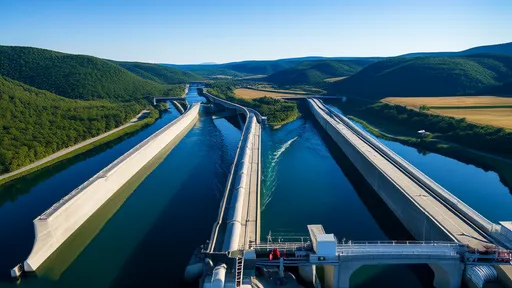
Climate resilience and sustainable infrastructure have emerged as central themes in contemporary engineering excellence. The development of sophisticated flood control systems in vulnerable coastal regions represents a prime example of engineering's proactive approach to environmental challenges. These systems incorporate advanced predictive modeling, adaptive design principles, and nature-based solutions to create multilayered protection against rising sea levels and extreme weather events. The engineering behind these projects goes beyond conventional flood barriers, integrating smart monitoring technologies that can anticipate threats and respond dynamically to changing conditions.
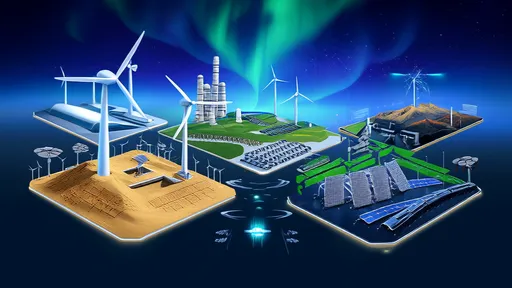
Equally transformative are the advances in renewable energy infrastructure that are reshaping global power systems. Massive offshore wind farms now harness previously untapped energy resources, while next-generation solar installations achieve unprecedented efficiency levels. The engineering breakthroughs enabling these projects extend far beyond energy generation to include sophisticated grid integration systems, energy storage solutions, and smart distribution networks. These comprehensive approaches ensure that renewable energy can reliably meet substantial portions of global electricity demand, marking a crucial step toward decarbonizing our energy systems.
The revolution in global connectivity and digital infrastructure represents another dimension of engineering's response to worldwide challenges. Subsea fiber optic networks now circle the globe, transmitting vast amounts of data that power everything from international finance to telemedicine. The engineering precision required to deploy and maintain these systems beneath ocean depths demonstrates how technological innovation can bridge geographical divides and create new opportunities for collaboration. Meanwhile, satellite constellations provide internet access to remote communities, effectively narrowing the digital divide that has long separated populations.
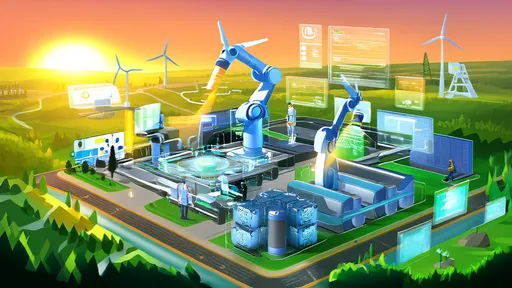
Urban environments have become laboratories for engineering innovation, with smart city technologies addressing the complex challenges of rapid urbanization. Integrated transportation systems optimize traffic flow while reducing emissions, and intelligent building management significantly cuts energy consumption. The engineering behind these urban solutions involves creating sophisticated networks of sensors, data analytics platforms, and automated control systems that work in concert to improve quality of life. These developments represent a holistic approach to urban planning where engineering serves as the connective tissue linking various aspects of city living.
In the realm of public health, engineering achievements have proven particularly vital in recent years. Advanced water purification systems now provide safe drinking water to millions who previously lacked access, while innovative waste management solutions help prevent disease transmission in densely populated areas. The engineering principles applied in these contexts often combine traditional knowledge with cutting-edge technology, creating solutions that are both effective and appropriate for local conditions. These projects demonstrate engineering's capacity to address fundamental human needs while accounting for cultural and environmental specificities.
Space exploration and satellite technology have yielded engineering benefits that extend far beyond their primary missions. The sophisticated systems developed for space applications have spawned numerous terrestrial innovations, from advanced materials to life-support technologies. More directly, Earth observation satellites provide critical data for monitoring climate change, managing natural resources, and coordinating disaster response. The engineering precision required to place and maintain these systems in orbit represents one of humanity's most ambitious technical achievements, with applications that touch nearly every aspect of life on our planet.
The field of transportation engineering has undergone remarkable transformations aimed at reducing environmental impact while improving mobility. High-speed rail networks now connect major urban centers with unprecedented efficiency, while electric vehicle infrastructure continues to expand globally. The engineering challenges in these domains extend beyond vehicle design to encompass entire ecosystems of charging stations, maintenance facilities, and energy management systems. These integrated approaches reflect how modern engineering must consider complete life cycles and systemic impacts rather than focusing solely on individual components.
Perhaps most impressively, contemporary engineering projects increasingly demonstrate remarkable interdisciplinary collaboration. The most successful initiatives bring together experts from diverse fields including ecology, sociology, economics, and public policy. This integrated approach ensures that engineering solutions address not only technical requirements but also social equity, environmental sustainability, and economic viability. The resulting projects often feature innovative financing mechanisms, community engagement strategies, and adaptive management frameworks that enhance their long-term success and replicability.
The global nature of these engineering challenges has fostered unprecedented international cooperation among engineering communities. Knowledge sharing across borders has accelerated innovation while helping to avoid repetition of mistakes. Standard-setting organizations have worked to establish common frameworks that ensure safety and interoperability while still allowing for local adaptation. This collaborative spirit represents a significant evolution in how the engineering profession conceptualizes its role in society, moving from national competition toward global problem-solving.
Looking ahead, the engineering community faces the ongoing challenge of balancing innovation with responsibility. As new technologies emerge at an accelerating pace, engineers must carefully consider ethical implications, environmental consequences, and social impacts. The most respected engineering achievements of our time demonstrate this thoughtful approach, incorporating principles of circular economy, social inclusion, and intergenerational equity into their design and implementation. This represents a maturation of the engineering discipline toward more holistic and sustainable practices.
The selection and celebration of global engineering achievements serves an important purpose beyond mere recognition. These exemplary projects establish new benchmarks for what is possible while inspiring future generations of engineers to think boldly and act responsibly. They demonstrate that engineering, at its best, represents humanity's most organized and effective approach to improving living conditions while preserving our planet for future generations. The stories behind these achievements remind us that technical excellence must be paired with wisdom, compassion, and foresight to truly benefit humanity.
As global challenges continue to evolve in complexity, the role of engineering in developing solutions becomes increasingly vital. The projects highlighted in global engineering rankings represent not endpoints but waypoints in humanity's ongoing journey toward sustainable development. They provide both practical solutions and inspirational models for how human creativity, when channeled through disciplined engineering practice, can overcome even the most daunting obstacles. The continued advancement of engineering excellence offers hope that future generations will inherit a world better equipped to meet the challenges they will face.

By /Oct 21, 2025

By /Oct 21, 2025

By /Oct 21, 2025

By /Oct 21, 2025

By /Oct 21, 2025
By /Oct 21, 2025

By /Oct 21, 2025

By /Oct 21, 2025

By /Oct 21, 2025

By /Oct 21, 2025

By /Oct 21, 2025

By /Oct 21, 2025

By /Oct 21, 2025

By /Oct 21, 2025
By /Oct 21, 2025

By /Oct 21, 2025

By /Oct 21, 2025

By /Oct 21, 2025
By /Oct 21, 2025

By /Oct 21, 2025